





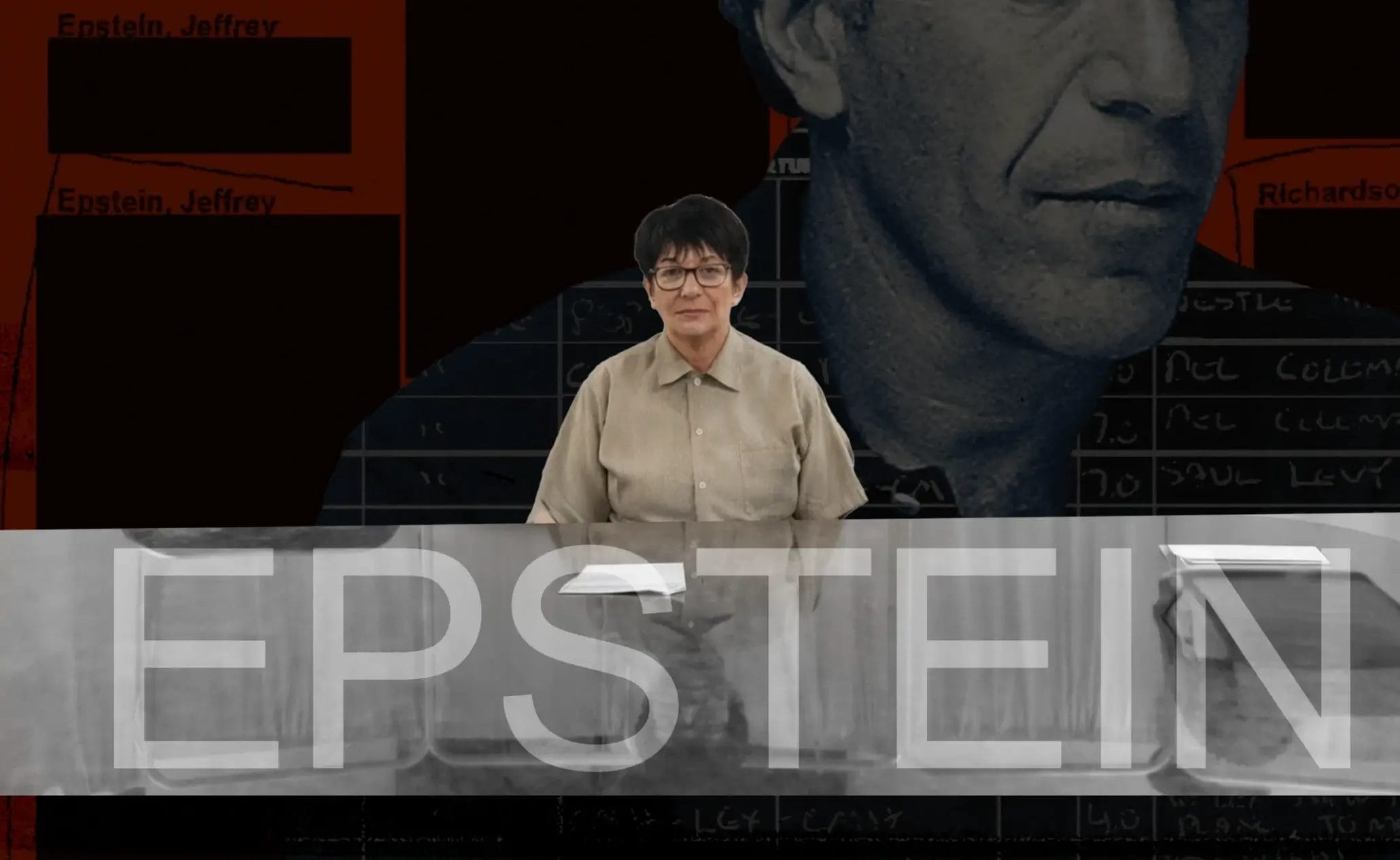
WASHINGTON — Ghislaine Maxwell, the convicted sex offender and former associate of Jeffrey Epstein, invoked her Fifth Amendment right against self-incrimination on Monday during a closed-door deposition with the House Oversight and Government Reform Committee. Appearing via videoconference from a federal prison in Texas, Maxwell refused to answer lawmakers’ questions regarding the operations of Epstein’s sex trafficking ring and potential co-conspirators, citing legal counsel.
The deposition, which had been anticipated as a potential breakthrough in the committee’s investigation into the handling of the Epstein case, concluded in under an hour. Committee members emerged expressing frustration at Maxwell’s silence, though her legal team indicated she would be willing to provide “unfiltered truth” on the condition of receiving executive clemency.
A “Right to Silence” from Federal Prison
Maxwell, 64, currently serving a 20-year sentence for sex trafficking and conspiracy, appeared on screen wearing a khaki prison uniform. According to lawmakers present, she respectfully but repeatedly declined to engage with substantive inquiries.
“She answered no questions and provided no information about the men who raped and trafficked women and girls,” said Representative Robert Garcia, the committee’s ranking Democrat.
Representative James Comer (R-Ky.), the committee chairman, told reporters that the outcome was “obviously very disappointing.” Comer had issued the subpoena for Maxwell’s testimony to gather information on the crimes committed by Epstein and to identify any high-profile individuals who may have participated in or facilitated the abuse.
“We had many questions to ask about the crimes she and Epstein committed, as well as questions about potential co-conspirators,” Comer stated. “Unfortunately, she had an opportunity today to answer questions that every American has… and she chose to invoke her Fifth Amendment right.”
The Clemency Leverage
While Maxwell remained silent during the proceedings, her attorney, David Oscar Markus, issued a statement clarifying her position. Markus characterized the invocation of the Fifth Amendment not as a tactical choice to obstruct justice, but as a “legal necessity” given her ongoing efforts to appeal her 2021 conviction.
However, the statement notably introduced a political dimension to her silence. “If this Committee and the American public truly want to hear the unfiltered truth about what happened, there is a straightforward path,” Markus stated. “Ms. Maxwell is prepared to speak fully and honestly if granted clemency by President Trump.”
This conditional offer drew immediate criticism from committee members, particularly Democrats, who accused Maxwell of using the congressional inquiry as a bargaining chip.
“What we did not get were any substantive answers,” said Representative James Walkinshaw (D-Va.). “What we did get was another episode in her long-running campaign for clemency… And President Trump could end that today—he could rule out clemency for Ghislaine Maxwell.”
Legal and Political Context
The deposition occurs against a backdrop of renewed public interest in the Epstein scandal, fueled by the recent release of unsealed court documents and the Justice Department’s internal files. The House Oversight Committee has been probing the federal government’s past handling of the case, specifically looking for systemic failures that allowed Epstein’s ring to operate for years.
Legal experts note that pleading the Fifth is a standard protective measure for individuals with pending appeals or habeas petitions, as any new testimony could be used by prosecutors to uphold a conviction or bring new charges. Maxwell’s defense has long argued that her trial was fundamentally unfair due to juror misconduct and prosecutorial overreach.
Despite the setback, Chairman Comer indicated the investigation would continue. The committee is expected to review the transcript of the brief session and determine the next steps in their probe, which seeks to untangle the complex web of influence that surrounded Jeffrey Epstein.
For now, the secrets Maxwell holds regarding one of the most high-profile sex trafficking operations in history remain shielded by constitutional privilege, accessible only, her lawyers suggest, through presidential intervention.



