



U.S. Operation in Venezuela Results in Major Casualties
A recent U.S. military strike in the Venezuelan capital of Caracas resulted in the deaths of 47 members of Venezuela’s armed forces, the country’s defense leadership announced on January 16, 2026. The fatalities, which included women serving in military roles, came amid a decisive operation that led to the capture of President Nicolás Maduro earlier in January. Venezuelan authorities have described the event as a severe blow to national sovereignty and are continuing to tally the full human cost.
Military Death Toll and Foreign Losses
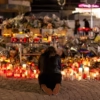
According to Venezuelan defense officials, the 47 soldiers killed were part of units targeted during U.S. strikes that coincided with the covert capture of Maduro on January 3. In a separate but related development, the Cuban government has confirmed the return of the remains of 32 Cuban military and intelligence personnel who also died in the engagement while serving in protective roles around the Venezuelan leadership. These losses have led to official mourning ceremonies in Havana and sparked protests against perceived U.S. aggression.
Venezuela’s interior minister previously estimated overall deaths from the operation at around 100 people — a figure that includes both military and civilian casualties, though not all details have been independently verified.
Regional Backlash and Political Impact
The U.S. action has triggered sharp diplomatic pushback from Venezuela’s allies, especially Cuba, where state leaders condemned the strike and demanded respect for sovereign rights. Massive gatherings and rallies have taken place, with demonstrators decrying what they call imperialist intervention. Meanwhile, officials in Caracas have called for unity and international support in the aftermath of the high-stakes operation.
The capture of Maduro — flown to the United States to face legal charges — and the accompanying combat operation have inflamed tensions in Latin America, raising concerns of broader geopolitical consequences. International reactions continue to shape the unfolding narrative, with several countries urging restraint and urgent diplomatic engagements.