




U.S.–Iran relations have reached a critical flashpoint as President Donald Trump issues a strict deadline for Tehran to finalize a nuclear accord, warning of “significant consequences” if negotiations fail. With American forces bolstered in the Middle East and diplomatic talks continuing, the risk of limited military action looms—raising concerns of a broader regional confrontation and market instability.
Trump’s Urgent Ultimatum and Military Build-Up
President Trump has publicly stated that Iran has 10–15 days to agree to a comprehensive nuclear deal that satisfies U.S. demands to curtail its enrichment activities, or face unspecified consequences. Part of this strategic pressure includes the possibility of limited military strikes, as Trump weighs this option while urging Iran to negotiate earnestly.
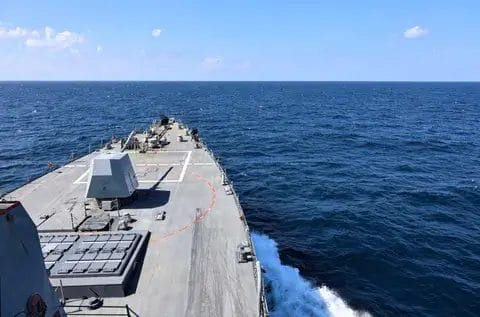
In support of these warnings, the U.S. has deployed additional naval and air assets across the Middle East. Officials say the enhanced military presence is meant to deter further nuclear development by Iran but acknowledges the risk that the situation could escalate if diplomacy collapses.
Iran’s Response and Regional Risks
Iran has not remained silent in the face of Washington’s ultimatum. Tehran has warned of a forceful retaliation—describing potential U.S. strikes as a “slap in the face” and vowing to respond if attacked. Regional military officials suggest that Iran could target U.S. assets in the Gulf and surrounding areas should conflict erupt.
The high stakes of this standoff are already rippling through international markets. Oil prices have increased on fears that conflict in the Persian Gulf could disrupt global supply chains and heighten geopolitical risk.
Diplomatic Efforts and Global Concerns
Despite fiery rhetoric, diplomatic channels remain active. Indirect talks in Geneva between U.S. and Iranian representatives continue with both sides signaling cautious openness to compromise. However, Iranian officials have indicated that formal negotiation is “over for now” unless significant concessions are reached.
Meanwhile, international voices urge calm. Leaders of global nuclear oversight bodies have emphasized the urgency of achieving a binding agreement to prevent further escalation and strengthen non-proliferation efforts.